Architecture cannot exist without light; without it there is nothing to see. On the other hand, volume and surface are the characteristics through which architecture is revealed and are instrumental in animating light.

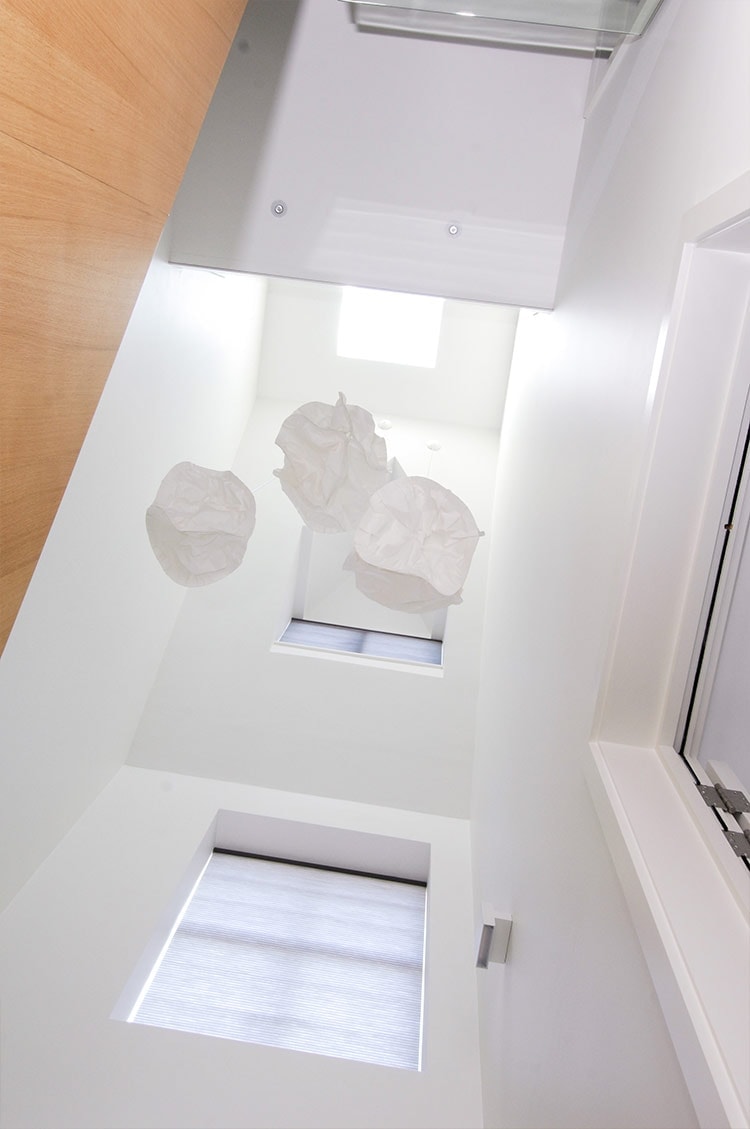
These two defining elements are how we experience architecture and are therefore fundamental in our approach to design. Together they manifest themselves in why we consider spaces to be journeys, both in terms of what one sees and how you move through it as well as the surprises you experience along the way.
Our attitude towards light and lighting recognises that architecture is dramatically illuminated through the handling of light itself and in its capacity to visualise a wide range of beliefs and values that could not be expressed with material form.
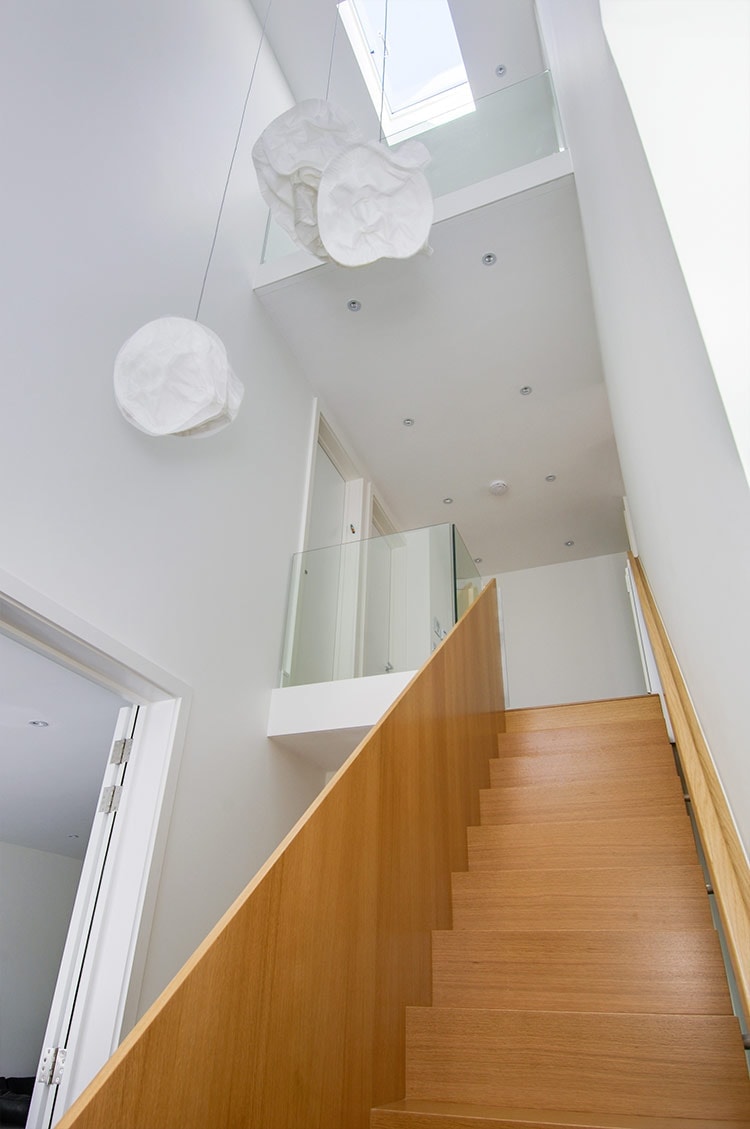

Where possible natural light is a fundamental element of our architecture. When artificial lighting is utilised, it is designed to highlight and accentuate the architectural planes and nuances.
When applied with great care, light and lighting can produce a space that is vibrant yet soothing, and with great spatial depth. It’s innate illusionary quality can be channelled to create an interplay of light and dark, warmth and coolness, drama and calm.


